While the masses crowd the trails in October and April, a select group of adventurers chooses the quiet, crystalline world of the Himalayas in winter. At SR Travels, we get asked one question more than any other: “Is it actually possible to trek to Everest Base Camp in winter?”
The answer is a resounding yes and for many, it is the most rewarding version of the journey. If you are prepared to trade some warmth for the most spectacular views of your life, read on.
The Winter Advantage: Why Brave the Cold?
Trekking between December and February is not just about testing your limits; it’s about experiencing the mountains in their purest form.
1. High-Definition Himalayan Views
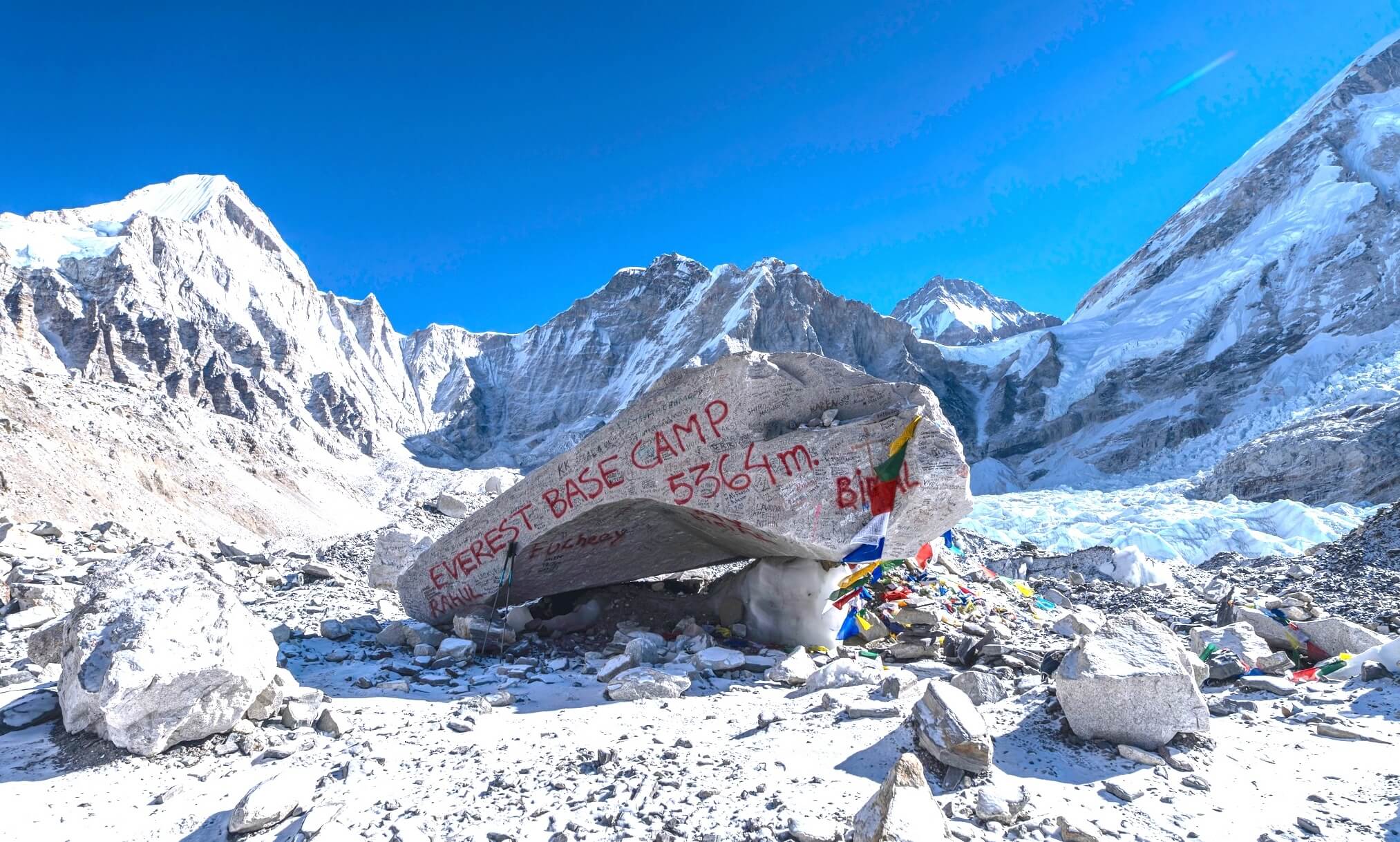
In the spring, the air can get hazy with pre-monsoon dust. In winter, the atmosphere is at its most stable. The sky is a deep, piercing blue, and the visibility is near-infinite. Every crag on the face of Lhotse, every icefall on Nuptse, and the towering pyramid of Everest appear in high-definition.
2. The Sound of Silence
The EBC trail can get busy during peak season. In winter, the “traffic jams” at suspension bridges vanish. You’ll hear the wind through the pines, the crunch of snow under your boots, and the distant roar of an avalanche, real mountain sounds, uninterrupted by crowds.
3. Authentic Sherpa Culture
During peak months, teahouse owners are incredibly busy. In winter, the pace slows down. You’ll find yourself sitting around the central bukari (stove) in the dining hall, sharing tea and stories with local Sherpas. It is the best time for genuine cultural immersion.
Understanding the Winter Climate
Success on a winter trek depends on respecting the numbers. At SR Travels, we provide daily weather briefings, but here is the general breakdown:
| Altitude | Daytime Temp | Nighttime Temp | Trail Conditions |
| Lukla (2,860m) | 8°C to 12°C | -2°C to -5°C | Mostly Dry |
| Namche (3,440m) | 5°C to 8°C | -6°C to -10°C | Occasional Frost |
| EBC (5,364m) | -5°C to -10°C | -20°C to -30°C | Snow and Ice |
Safety First: How SR Travels Mitigates Risk
Trekking in winter isn’t inherently “dangerous,” but it does require more professional oversight. SR Travels implements a specialized winter protocol:
- Teahouse Vetting: Not all teahouses stay open in winter. We ensure our groups stay in lodges with insulated rooms and well-stocked fuel for heating.
- Altitude & Temperature Monitoring: Cold increases the risk of altitude sickness. Our guides carry pulse oximeters and medical-grade oxygen as a standard precaution.
- Buffer Days: Winter weather can occasionally close Lukla airport for a day or two. Our itineraries include built-in “buffer days” to ensure you never miss your international flight home.
- Proper Gear Provision: We provide all our winter trekkers with -25°C rated sleeping bags and heavy-duty down jackets.
What to Pack: The Winter Essentials
Beyond your standard trekking gear, winter requires these non-negotiables:
- Micro-spikes/Crampons: Essential for the icy sections between Lobuche and Gorak Shep.
- Double-Walled Thermos: Plastic bottles will freeze. A metal thermos keeps your tea hot for 6+ hours.
- Lip Balm and Sunscreen: The winter sun reflecting off the snow is incredibly strong.
- Spare Power Banks: Cold weather kills lithium-ion batteries. Keep your electronics inside your sleeping bag at night.
Is a Winter Trek Right for You?
A winter trek to EBC is perfect for:
- Photographers seeking clear, unobstructed landscapes.
- Experienced hikers who want a more “solitary” mountain experience.
- Travelers looking for better value, as some costs are lower during the off-season.
It is not recommended for first-time trekkers who have never experienced sub-zero temperatures or those who prefer a social, party-like atmosphere in the teahouses.
Book Your Winter Odyssey with SR Travels
Don’t let the thermometer hold you back. With the right gear and the right team, the Everest Base Camp Trek in winter is a life-changing journey into a frozen paradise.
Ready to see the roof of the world in its winter glory?
Explore our Winter EBC Itineraries or Contact our Adventure Experts to start planning.